
Moka AI: Azure Infrastructure That Doesn’t Stop at Code
Azure infrastructure doesn’t fai...
Read More
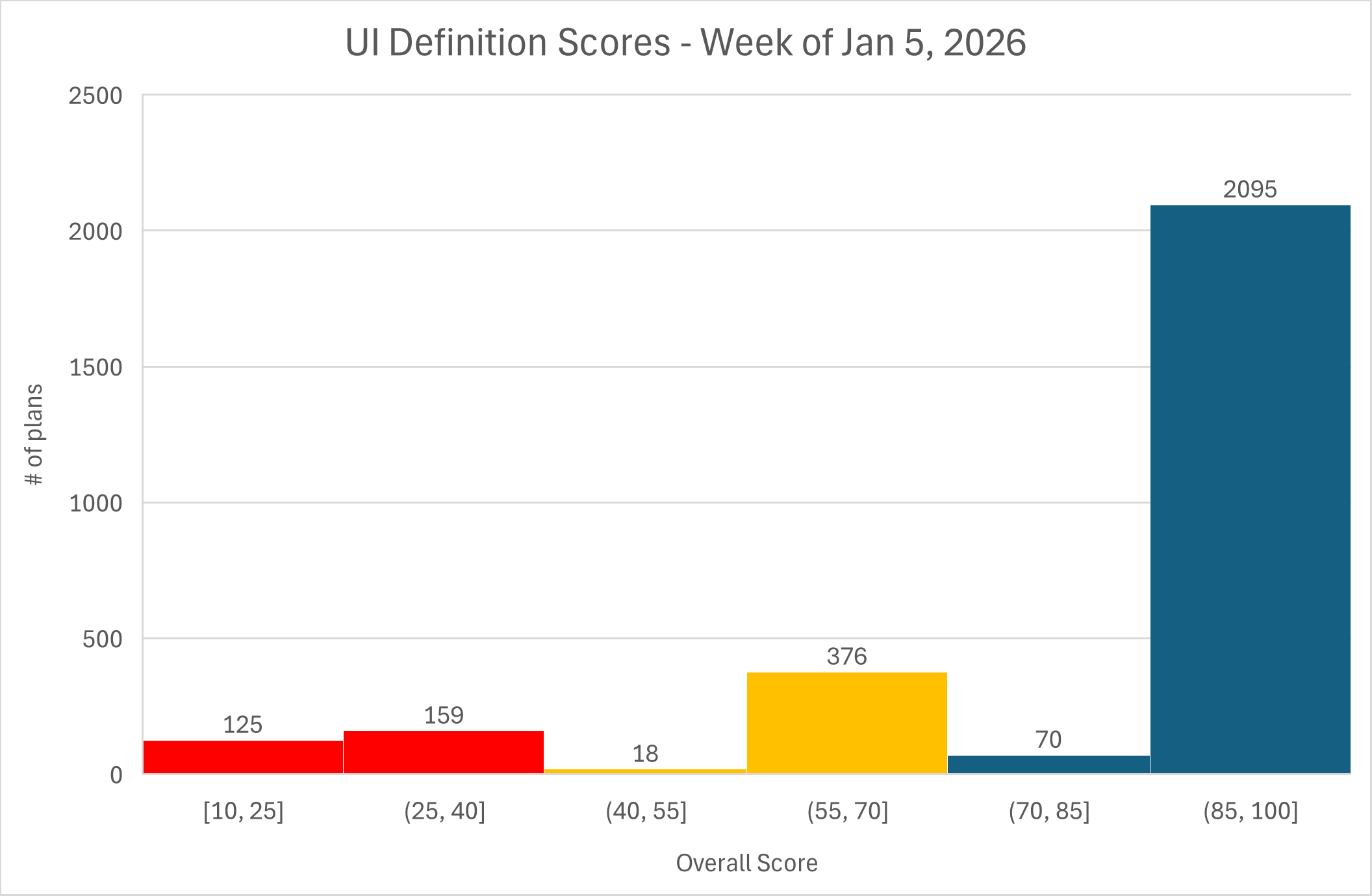
Here is the graph showing the overall scores—as of Jan 4, 2026—of the UI definition of all Azure Application plans (Managed Apps or Solution Templates) in the Microsoft Marketplace....
Read More
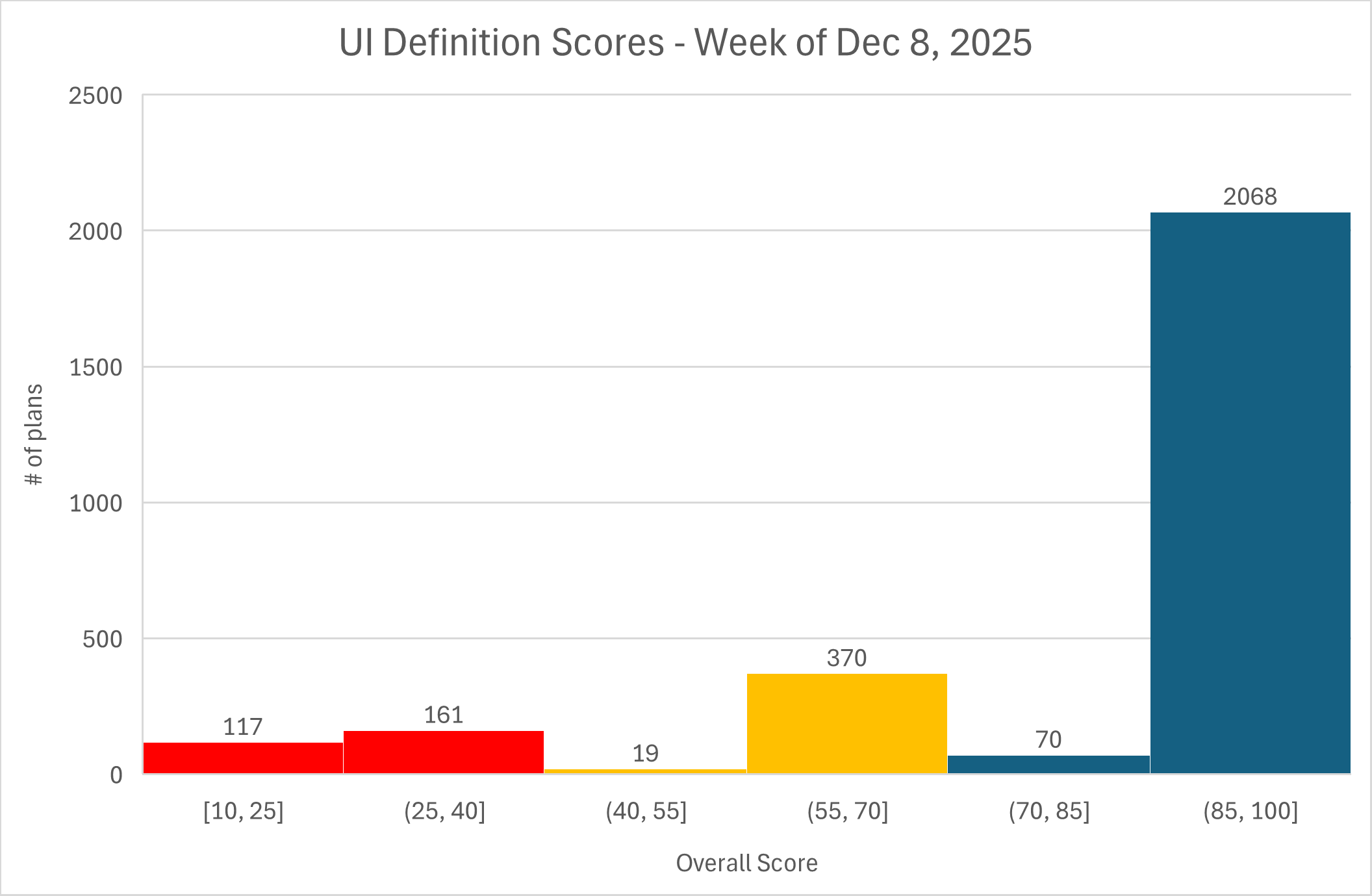
Here is the graph showing the overall scores—for the week of Dec 8, 2025—of the UI definition of all Azure Application plans (Managed Apps or Solution Templates) in the Microsoft Marketplace....
Read More
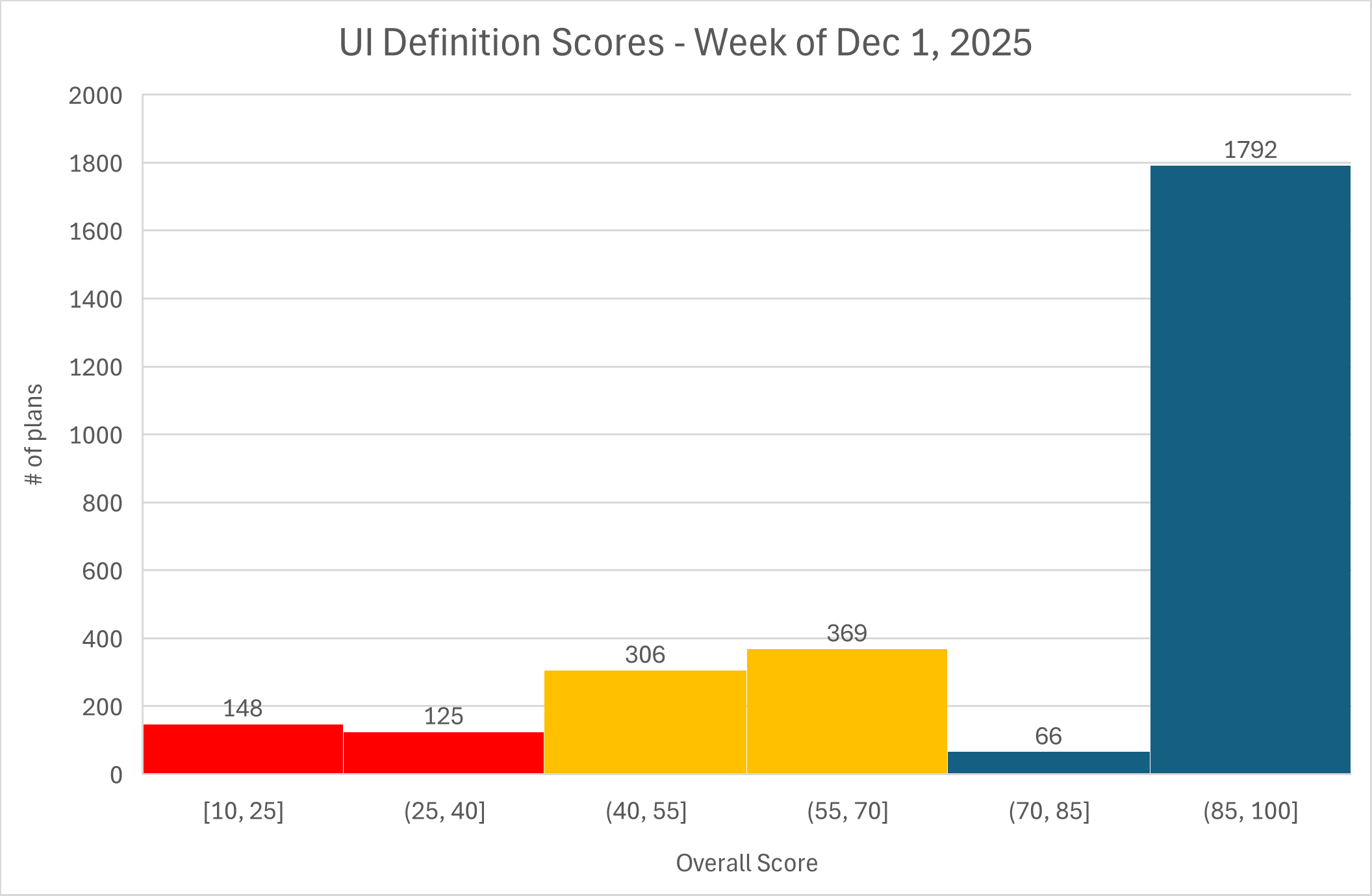
Here is the graph showing the overall scores—for the week of Dec 1, 2025—of the UI definition of all Azure Application plans (Managed Apps or Solution Templates) in the Microsoft Marketplace....
Read More
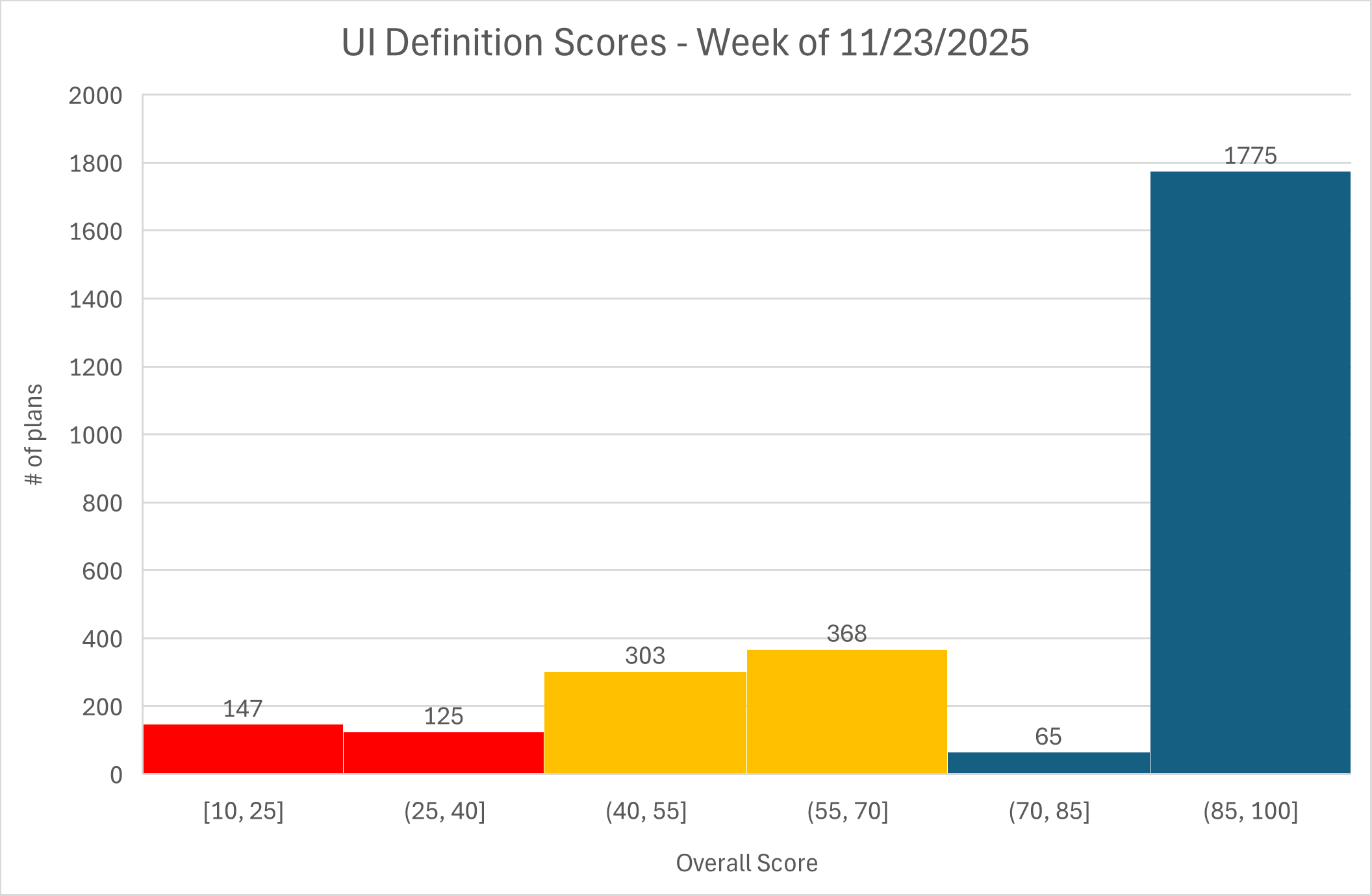
Here is the graph showing the overall scores—for the week of Nov 24, 2025—of the UI definition of all Azure Application plans (Managed Apps or Solution Templates) in the Microsoft Marketplace....
Read More
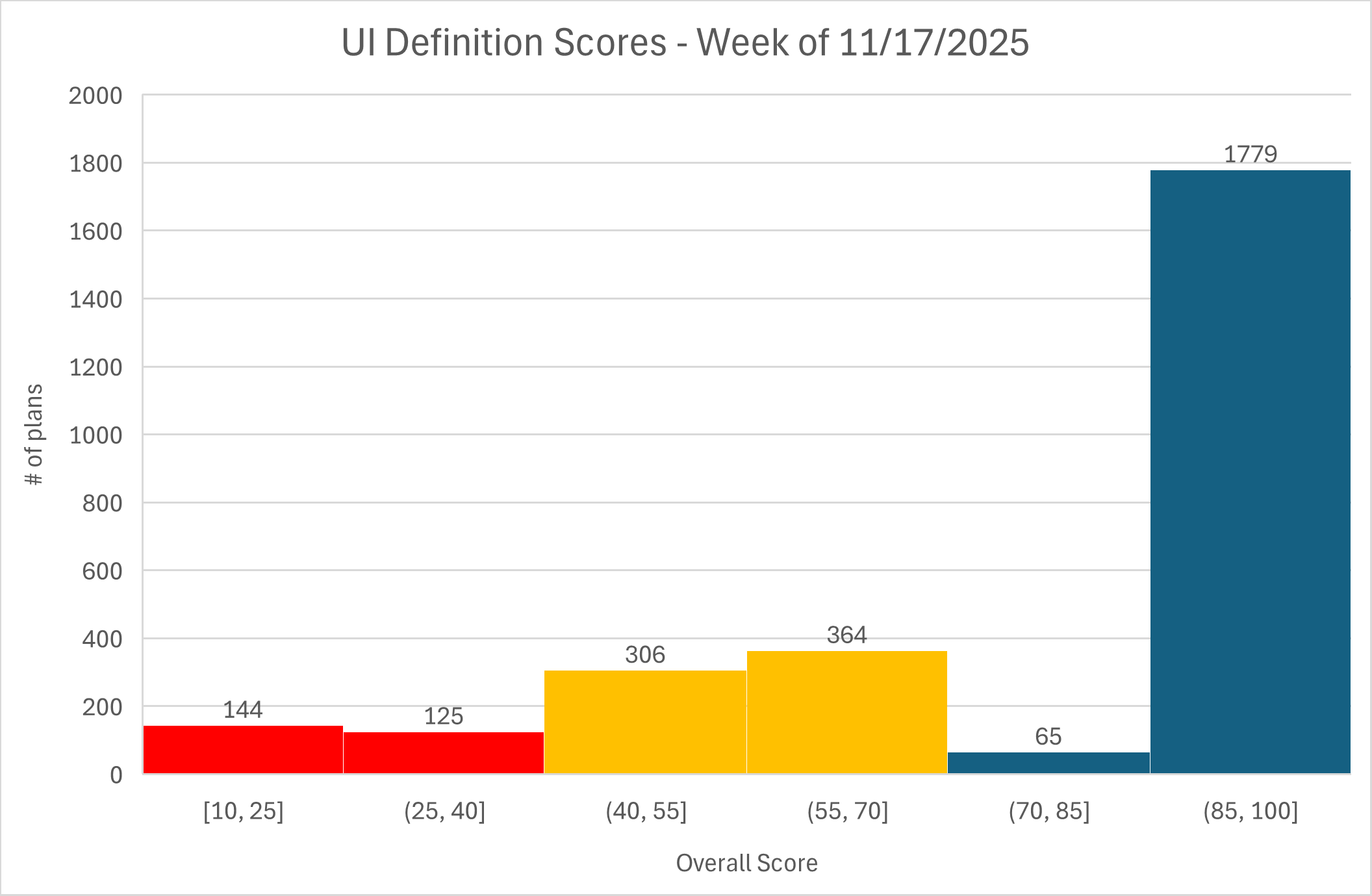
Here is the graph showing the overall scores—for the week of Nov 17, 2025—of the UI definition of all Azure Application plans (Managed Apps or Solution Templates) in the Microsoft Marketplace....
Read More
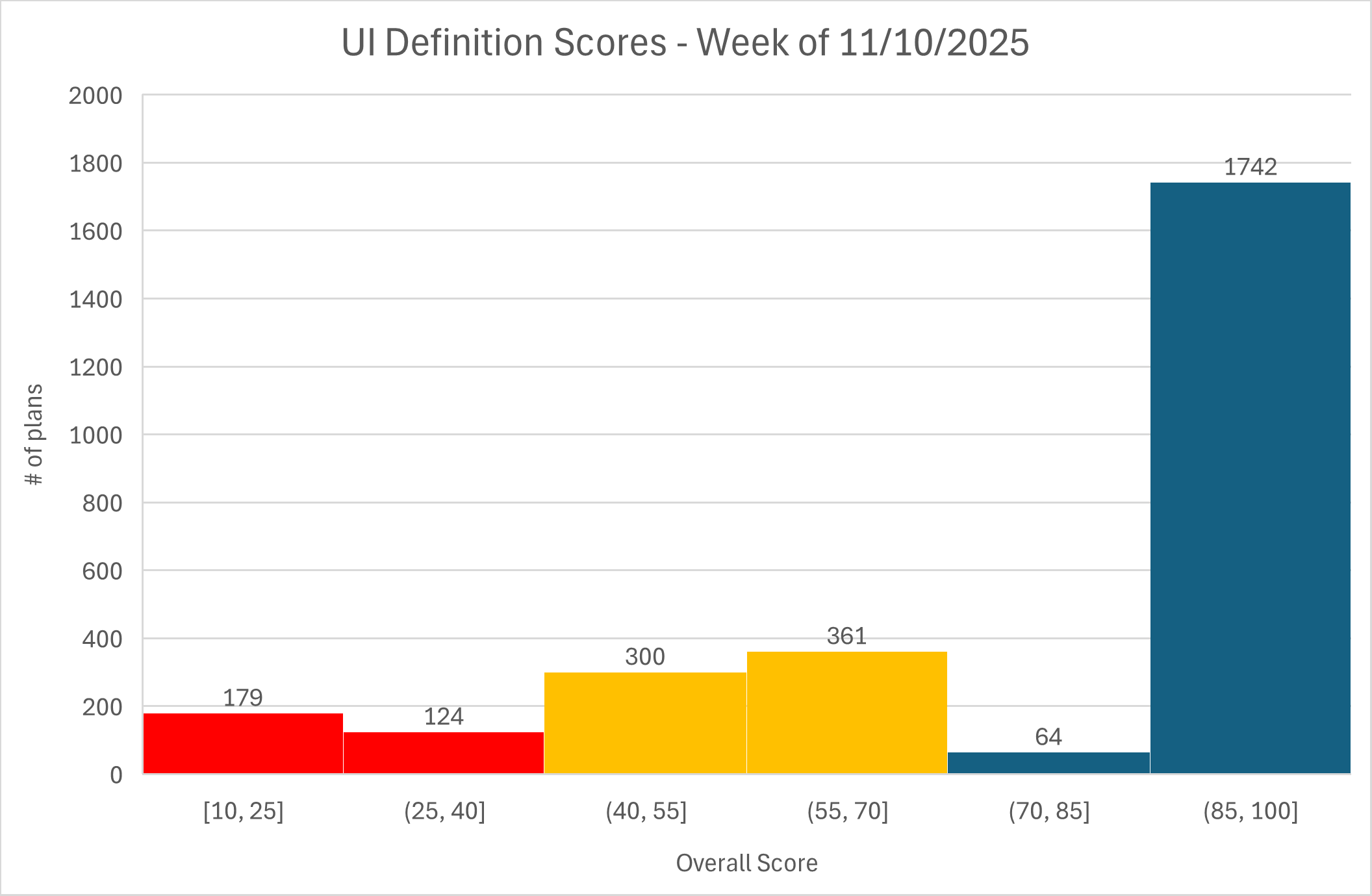
Here is the graph showing the overall scores—for the week of Nov 10, 2025—of the UI definition of all Azure Application plans (Managed Apps or Solution Templates) in the Microsoft Marketplace....
Read More
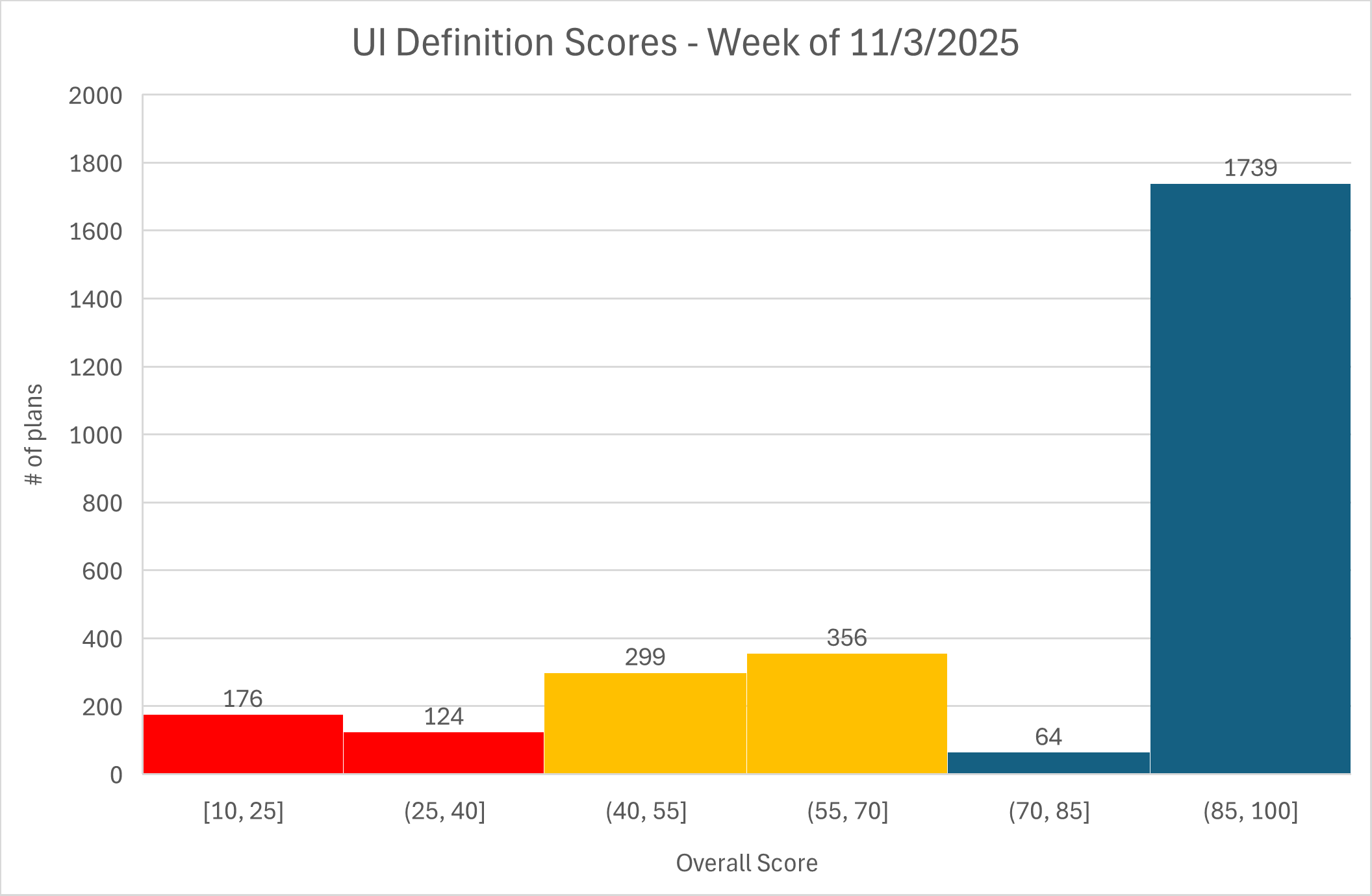
Here is the graph showing the overall scores—for the week of Nov 3, 2025—of the UI definition of all Azure Application plans (Managed Apps or Solution Templates) in the Microsoft Marketplace....
Read More
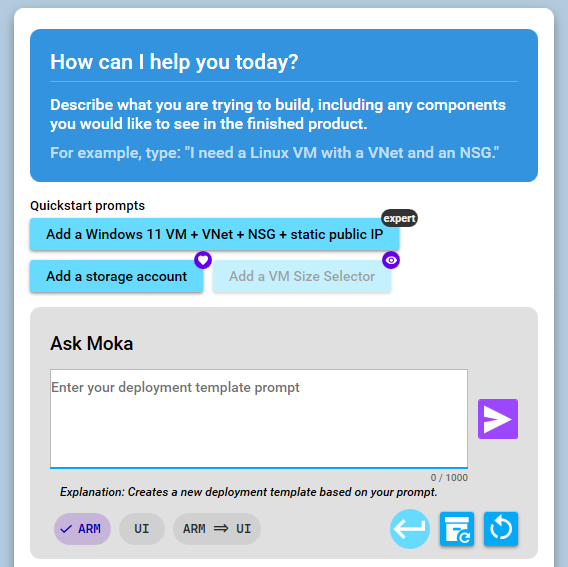
When deploying Azure Managed Applications, CreateUiDefinition.json files are essential. They define the user interface for your solution, guiding users through configuration options in the Azure portal. But let’s be honest—writing these files manually can be time-consuming and error-prone....
Read More
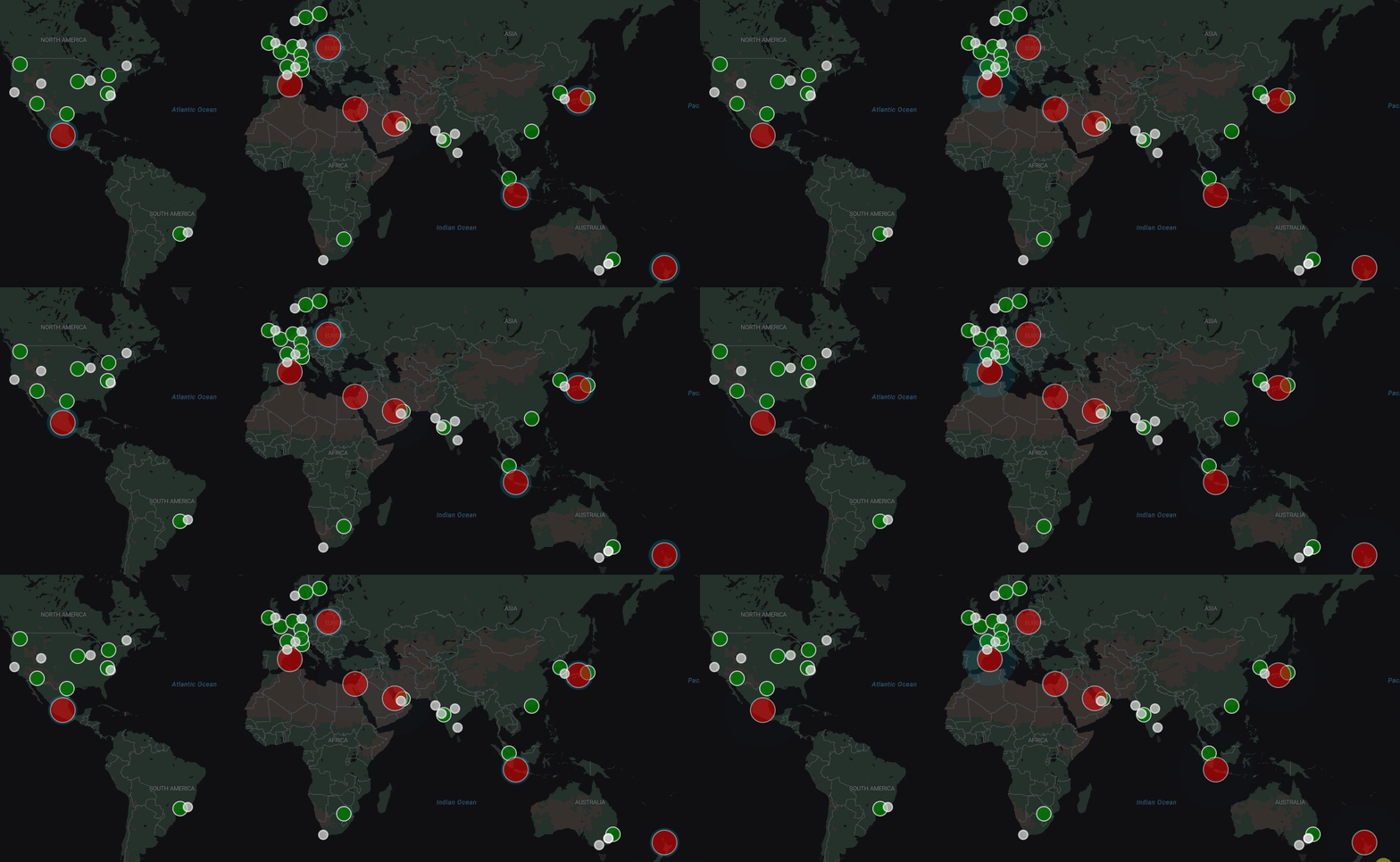
StratusOn Crescendo Analytics: Agentic AI in action: Moka's Deployment Health dashboard, shown below, is powered by the StratusOn Crescendo Analytics service—a mesh of AI agents (called actors) deployed across all Azure regions, collecting real-time reliability, capacity and health analytics data from each Azure region....
Read More